Decoration

Small design choices can create a completely different atmosphere

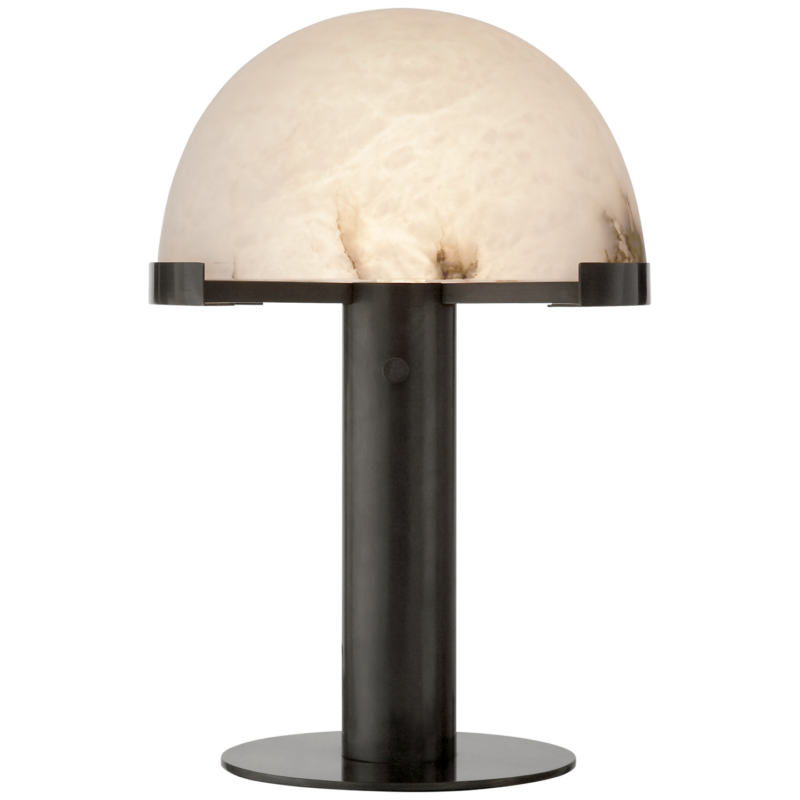
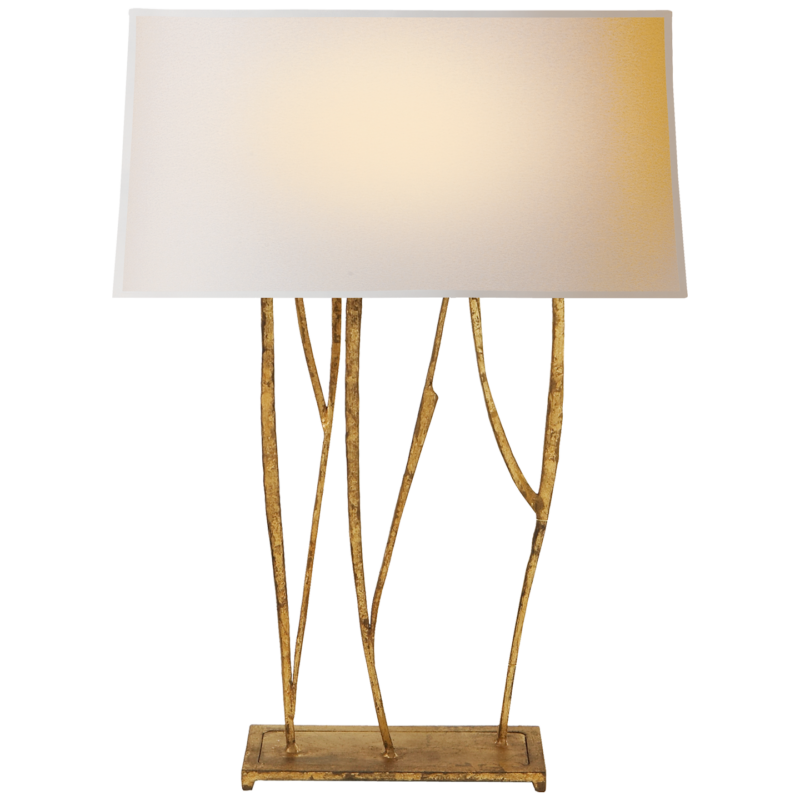
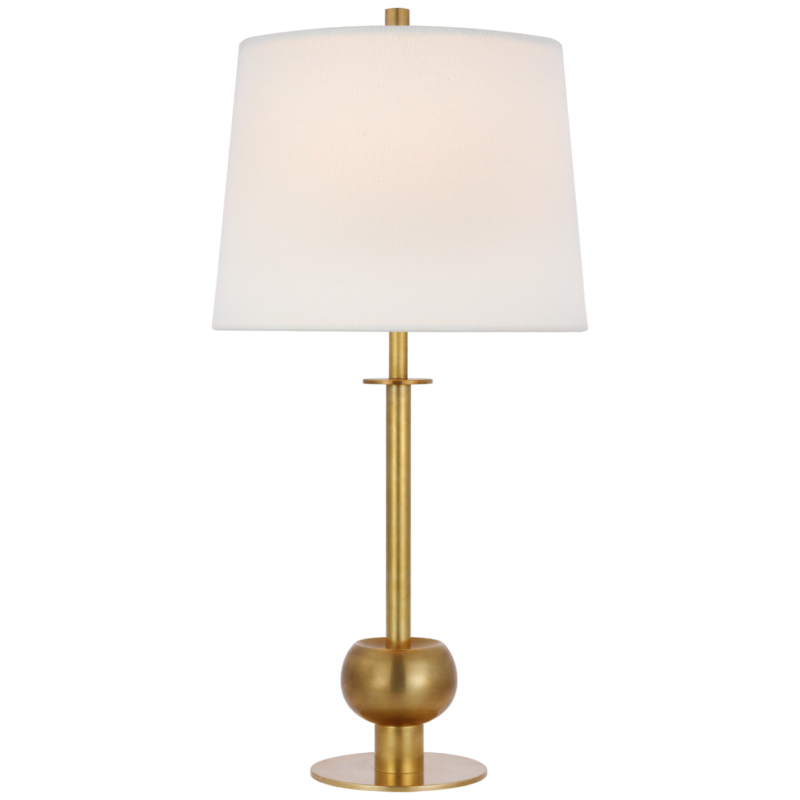
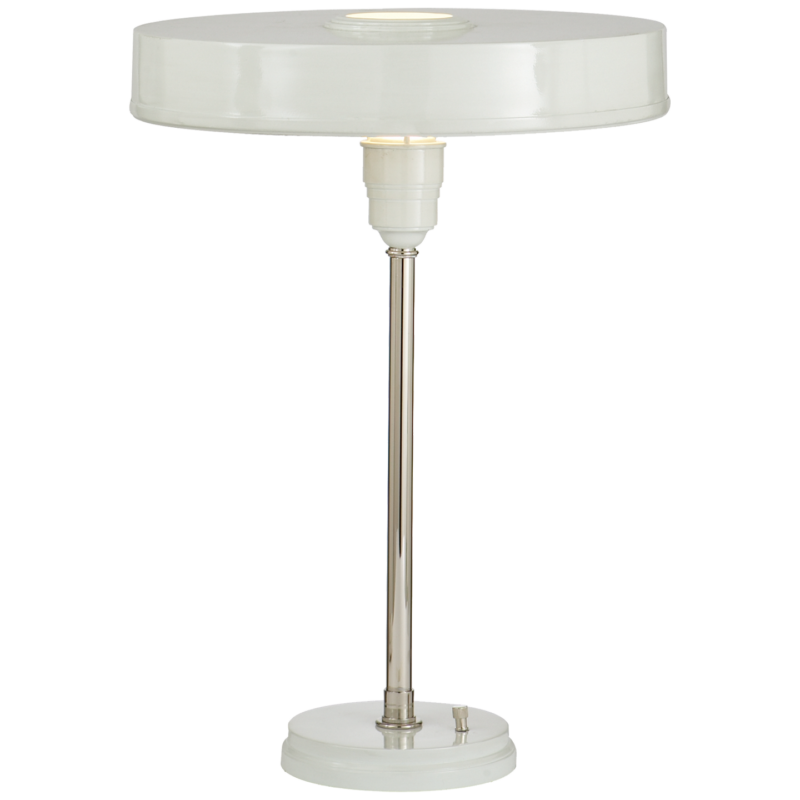
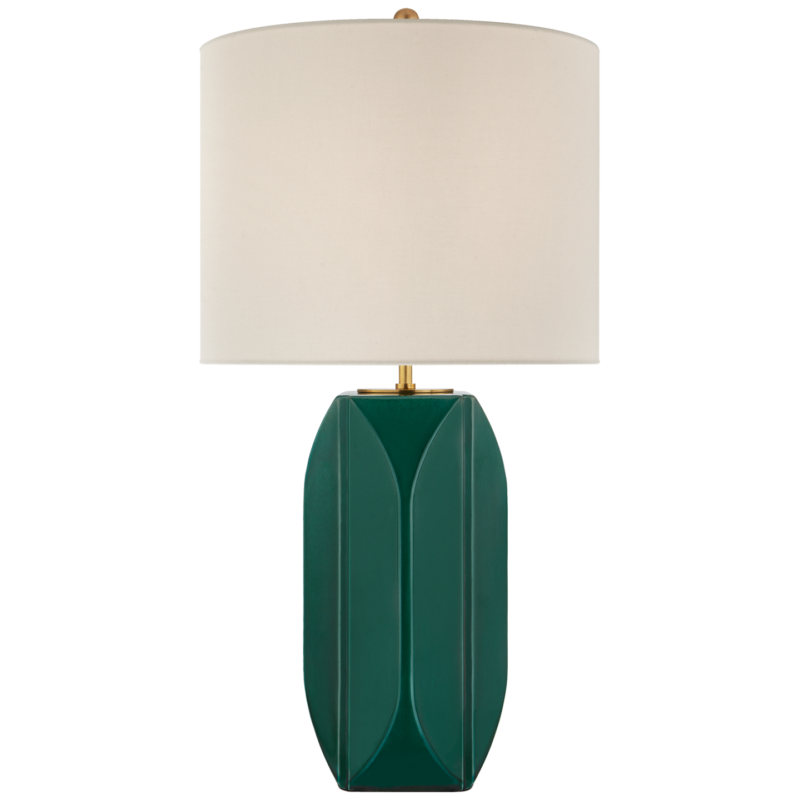
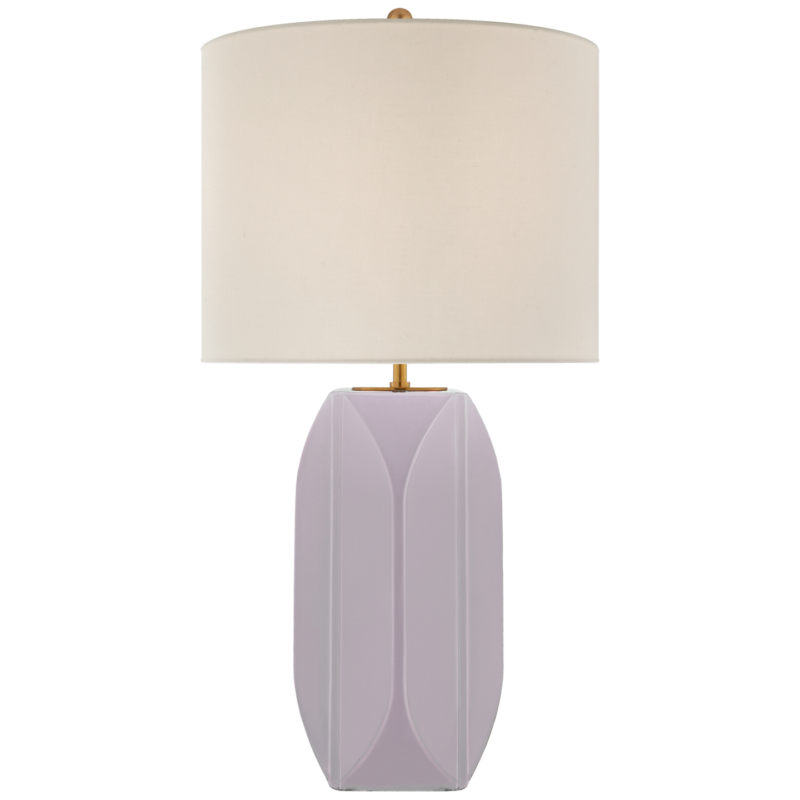
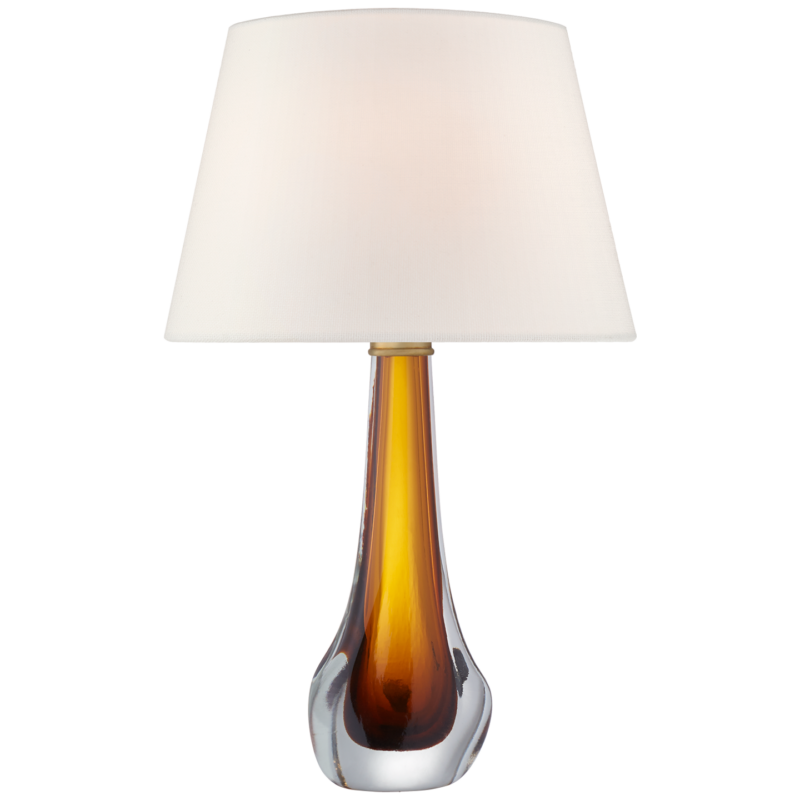
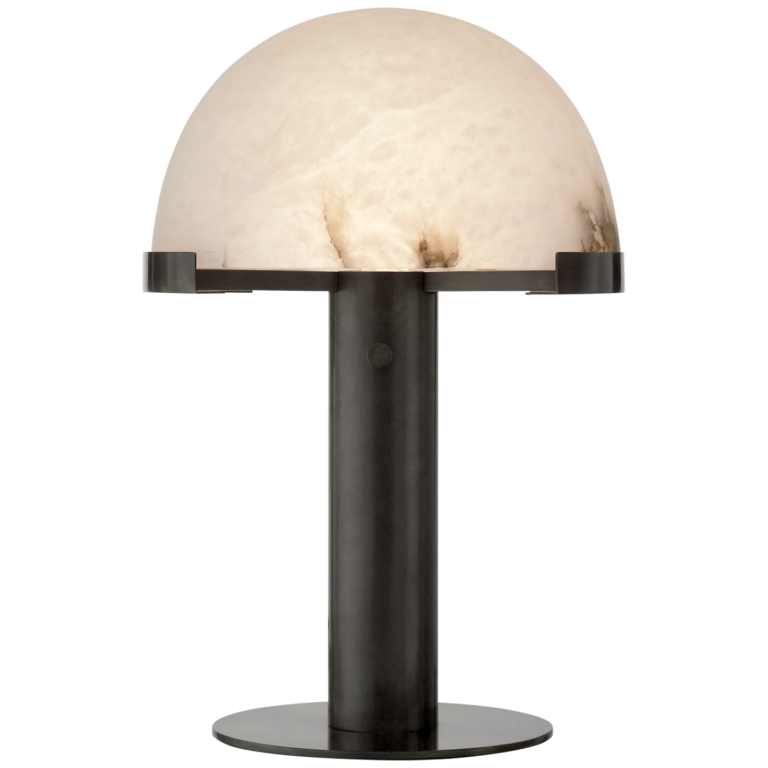
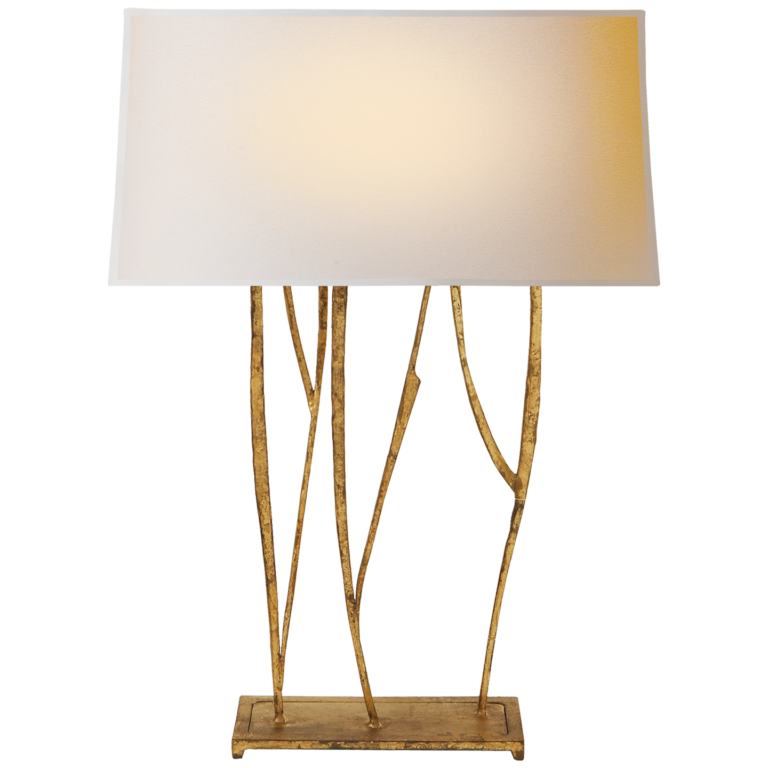
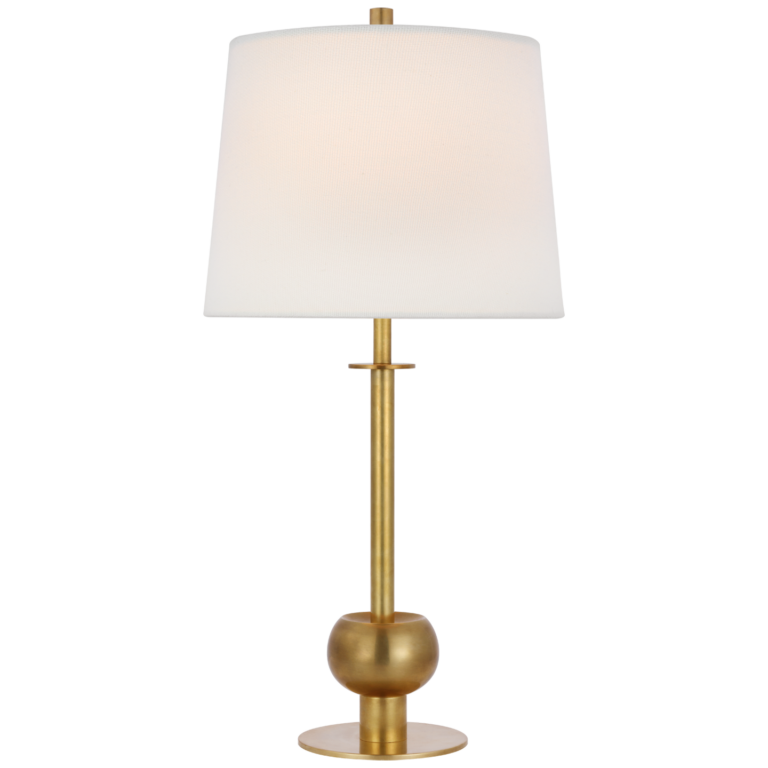
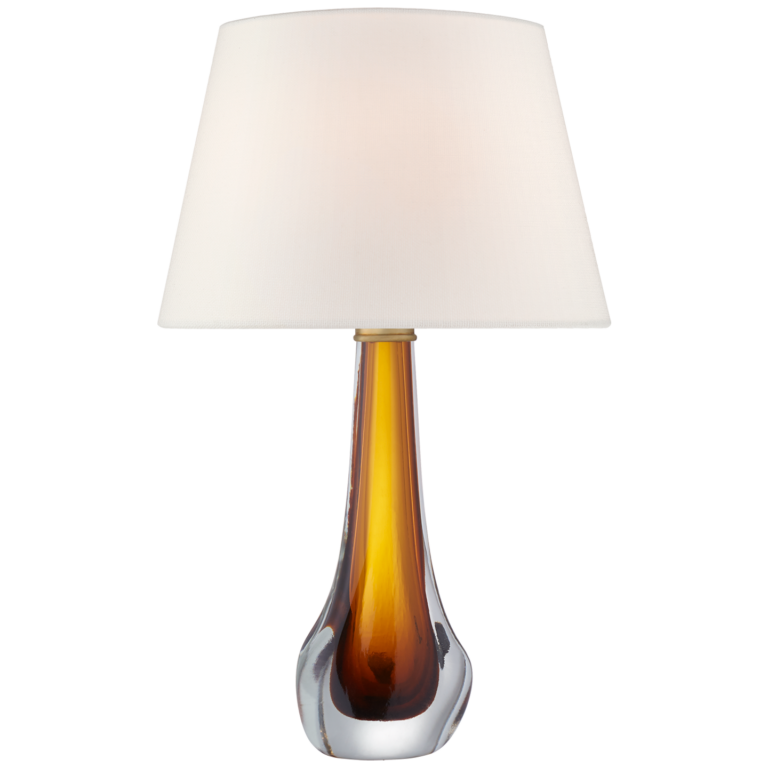
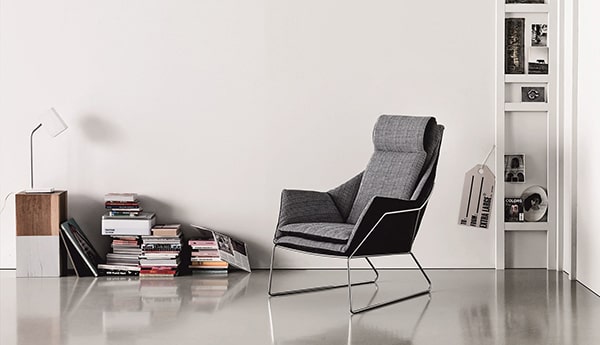
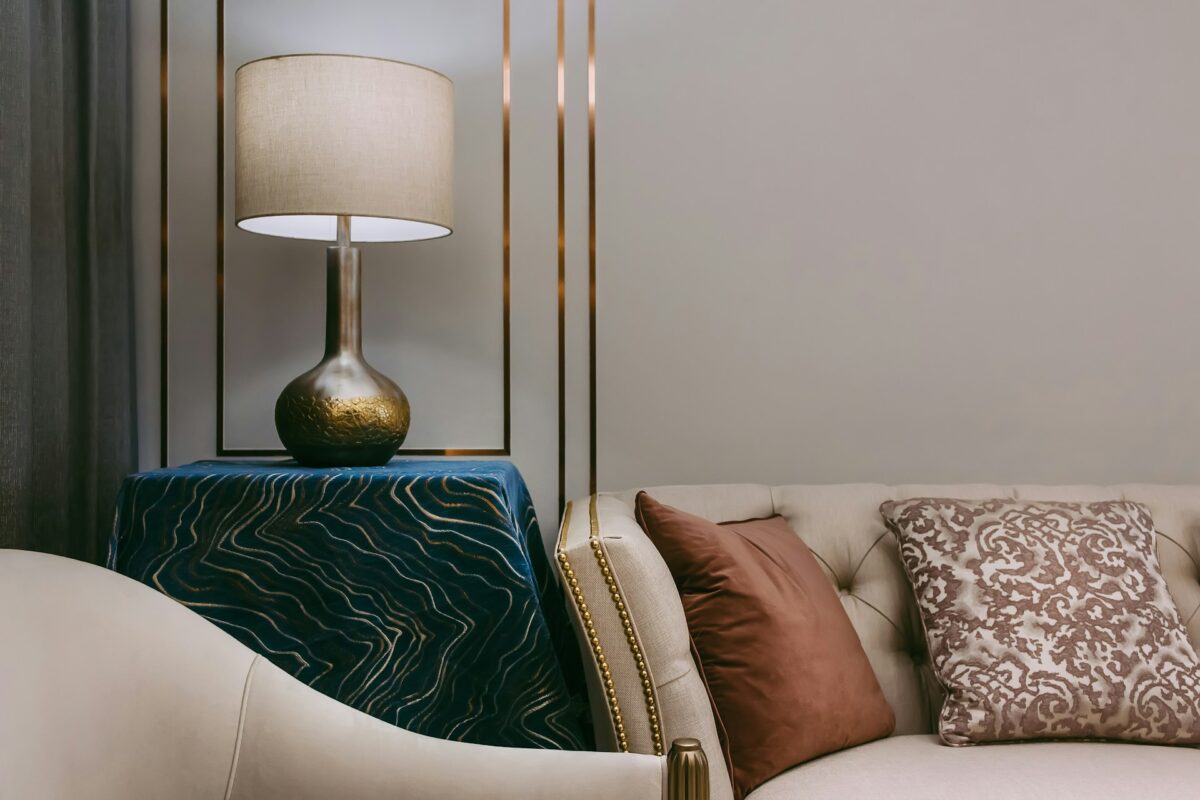
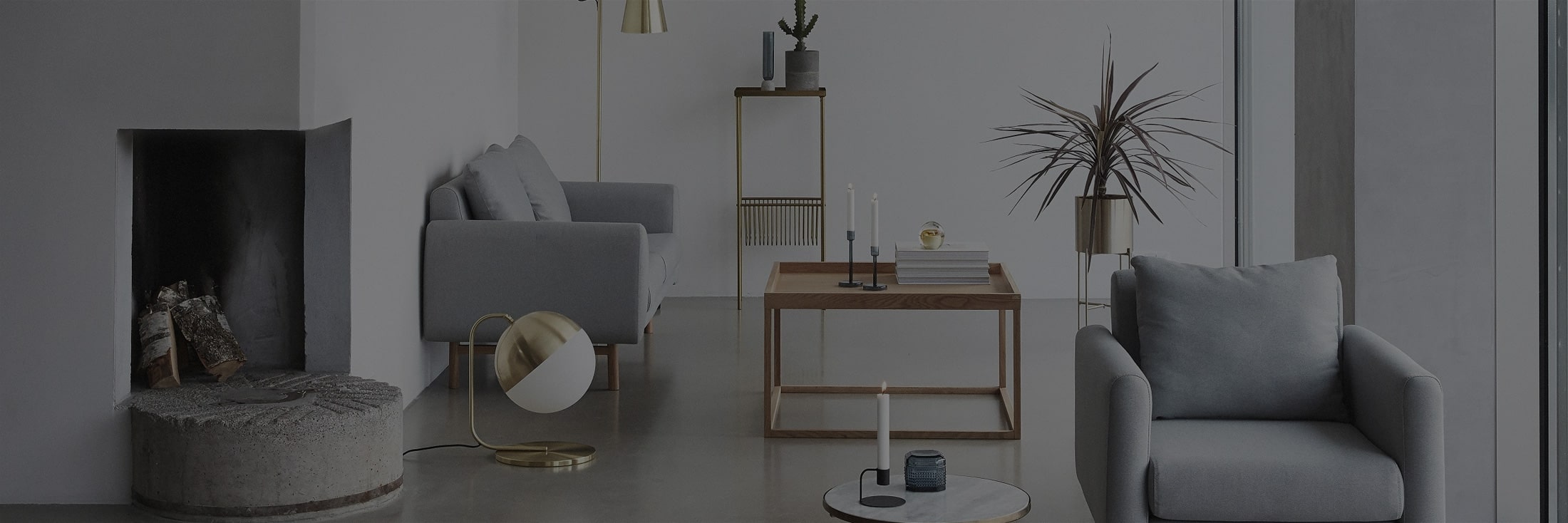
Ambient lighting is the general light that fills the space. It helps create visibility and sets the overall tone of the room. Ceiling fixtures often provide this first layer, but they do not always create enough warmth on their own. Adding smaller lamps helps soften the result and makes the space feel more inviting. Table lamps create a more intimate type of illumination because the light sits closer to eye level. This makes them perfect for bedrooms, living rooms, consoles, and reading areas. They can also help balance furniture arrangements and bring attention to specific parts of the room.

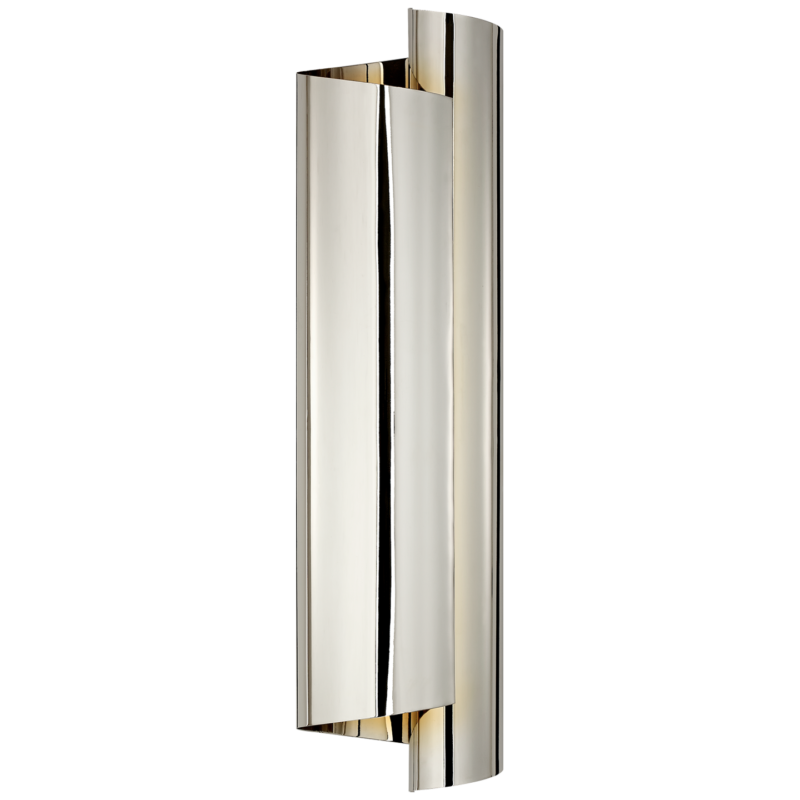
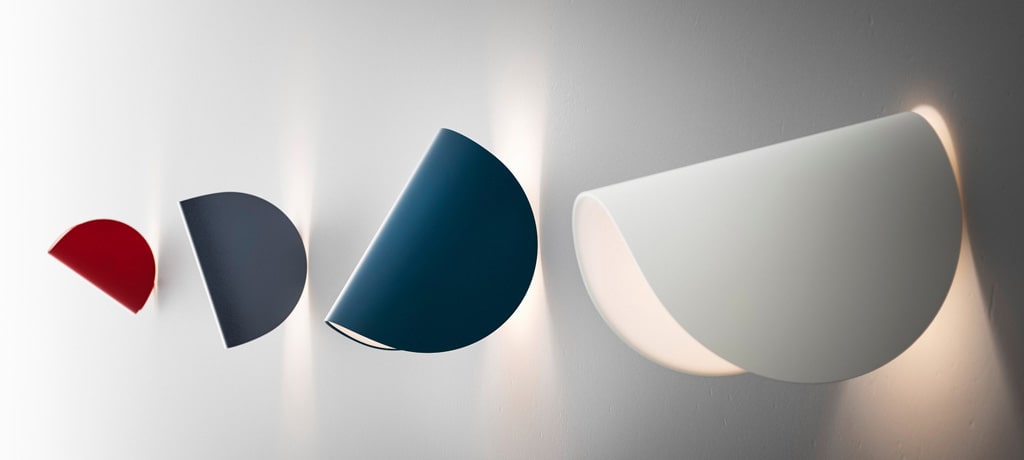
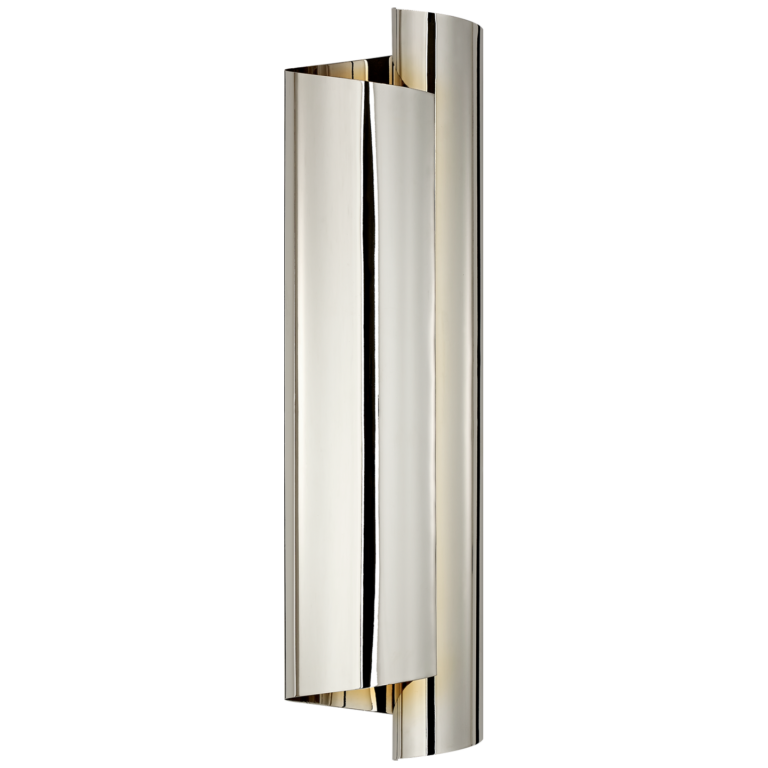
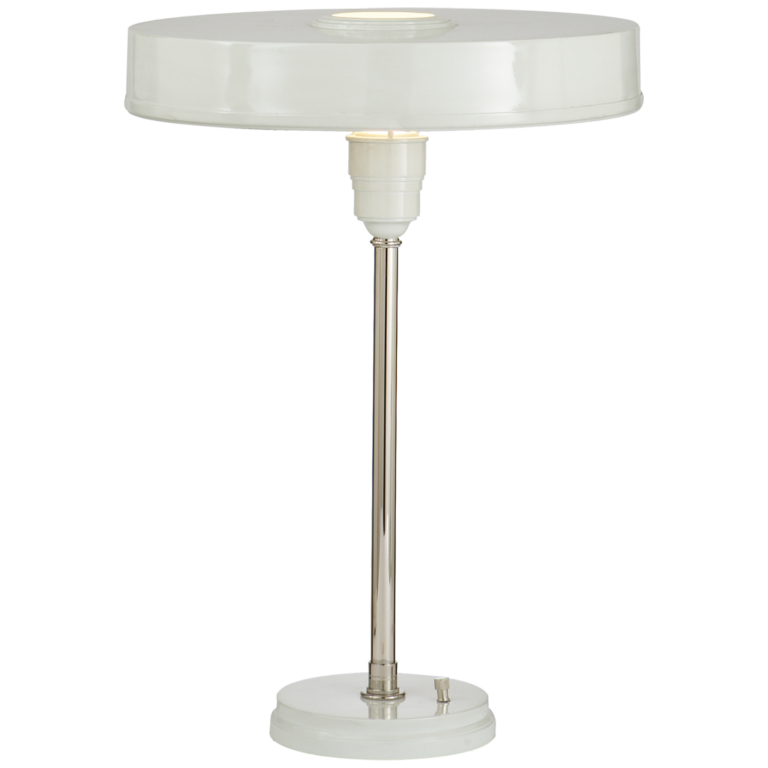
Wall sconces are ideal when you want to add light without placing another object on a table or floor. They can frame mirrors, highlight architectural details, brighten hallways, or create symmetry beside a bed. Because they become part of the wall itself, they also add structure and rhythm to the interior. Lighting is a great way to bring new materials into a room. Brass can add warmth, while polished nickel gives a cleaner, cooler appearance. Marble, alabaster, ceramic, crystal, and glass each create a different visual effect. Linen and fabric shades soften the overall design and help the light feel more natural.

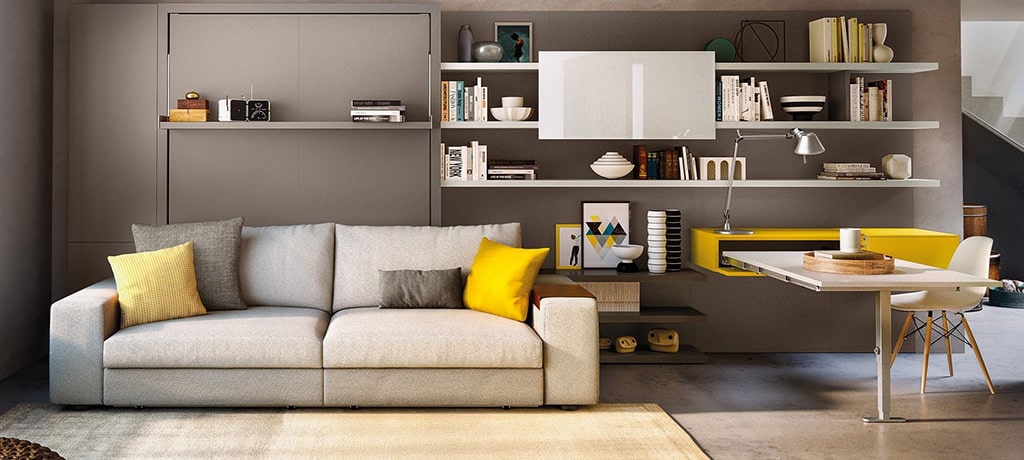
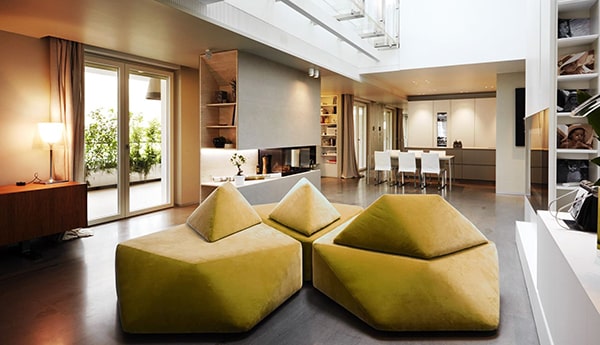
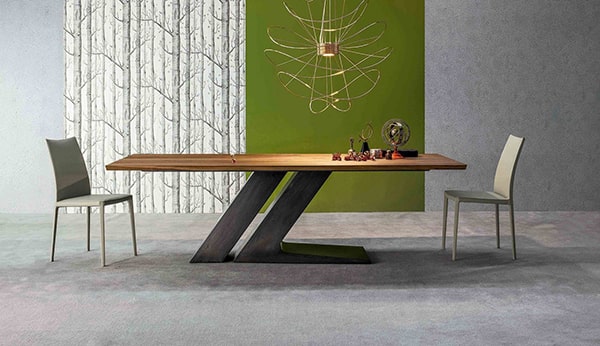
In open-plan interiors, lamps can help separate different functions without adding walls. A table lamp can define a reading corner, pendant lights can emphasize a dining area, and wall sconces can create a quieter atmosphere around a seating zone. Lighting helps each area feel intentional while keeping the overall interior connected.
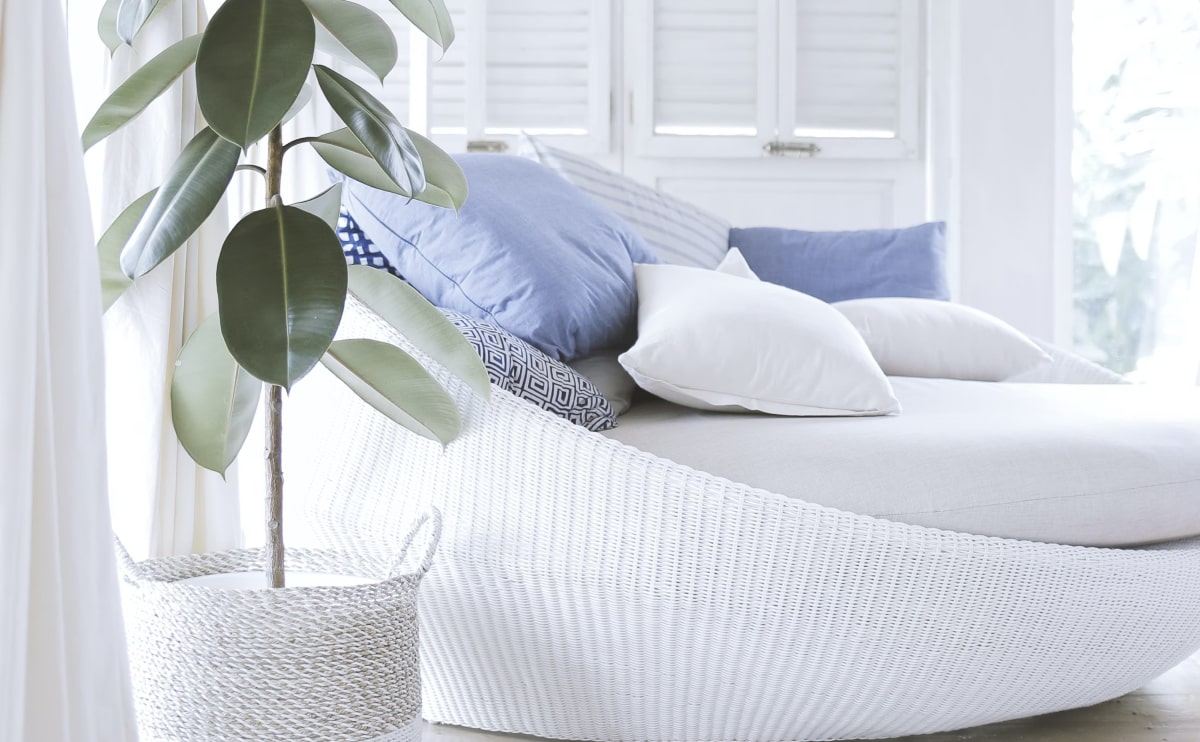
During the day, natural light usually does much of the work. In the evening, lamps become much more important. Using several smaller sources creates a softer and more comfortable atmosphere than relying on one bright overhead fixture. Warm pools of light can make the room feel calmer and more welcoming.

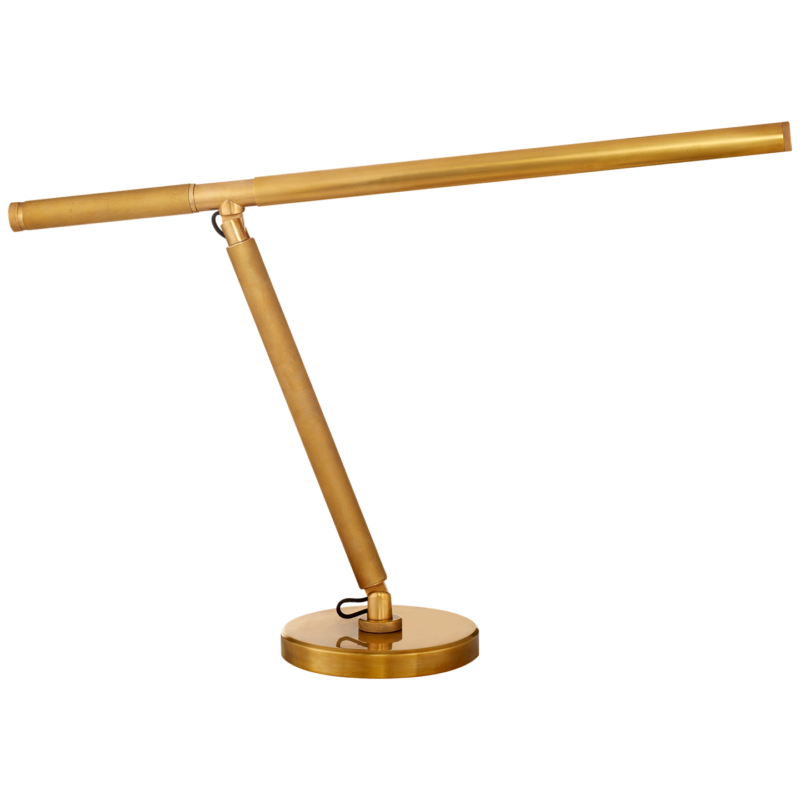
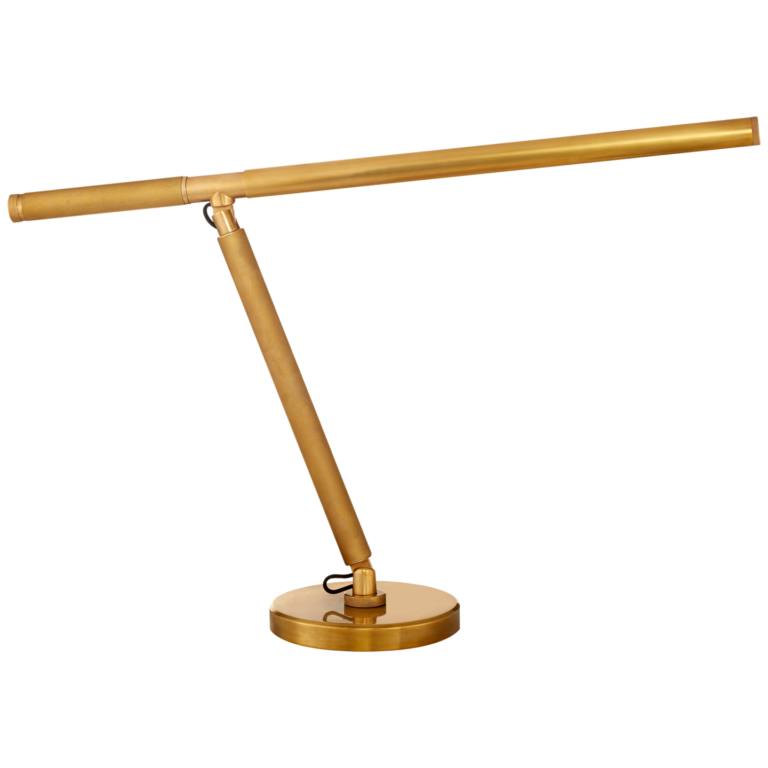
A lamp should look good, but it also needs to provide the right type of light for its location. Reading areas require more focused illumination, while bedrooms usually benefit from softer light. Decorative lamps can prioritize atmosphere, but they should still feel useful within the space. The best choices combine both function and visual appeal. Lighting can guide the eye toward artwork, furniture, textures, and architectural details. A carefully positioned lamp can emphasize the grain of wood, the texture of a wall, the shape of a vase, or the finish of a decorative object. These subtle highlights make the interior feel richer and more considered.
Lamps have a unique ability to influence both the look and the mood of an interior. They can make a room feel warmer, more intimate, more elegant, or simply more complete. Unlike purely decorative accessories, lamps combine beauty with purpose. They introduce shape, material, and texture while also helping you control how the room feels throughout the day. The lighting that works in a bedroom may not be ideal for a home office or living room. Bedrooms usually benefit from softer, calmer light, while working areas often need more focused illumination. Living rooms can combine both. A table lamp near a sofa can create a relaxed evening mood, while another lamp on a console can brighten the room and add visual balance.
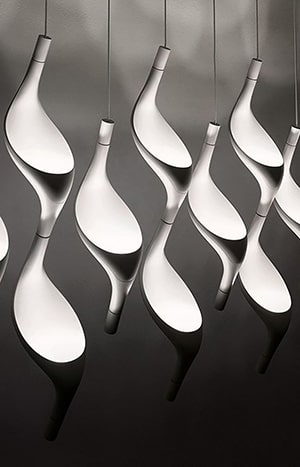
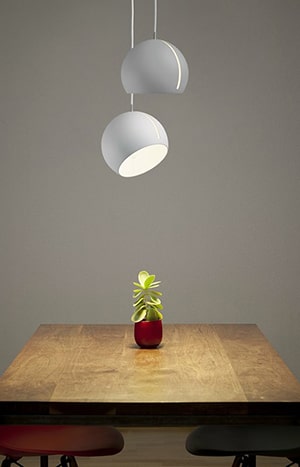
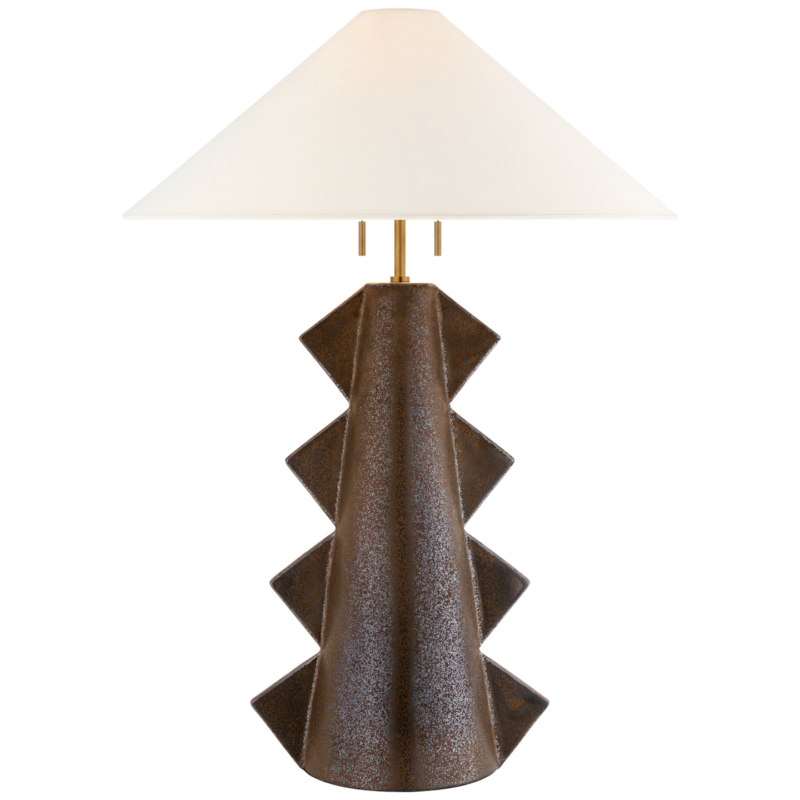
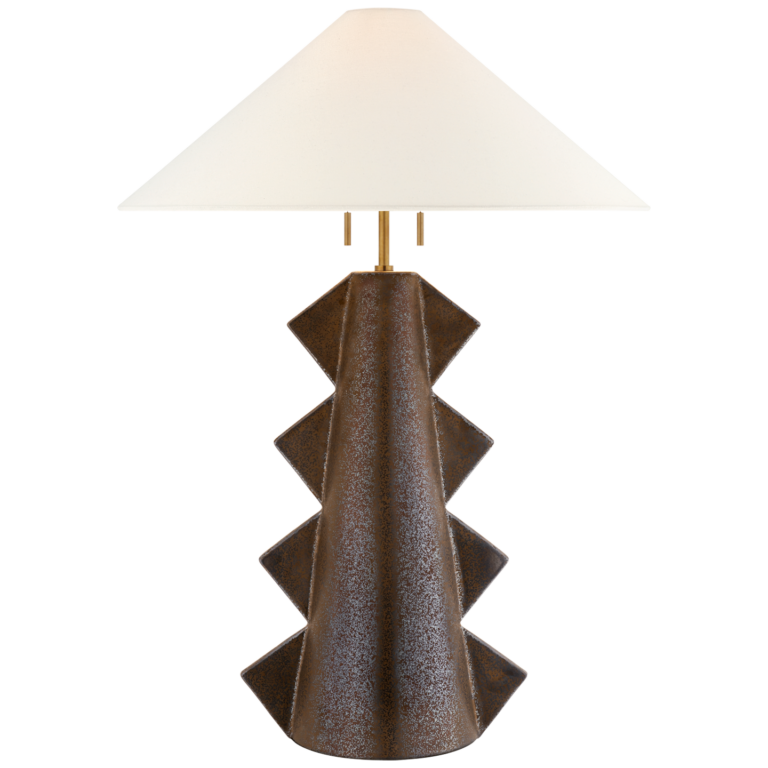
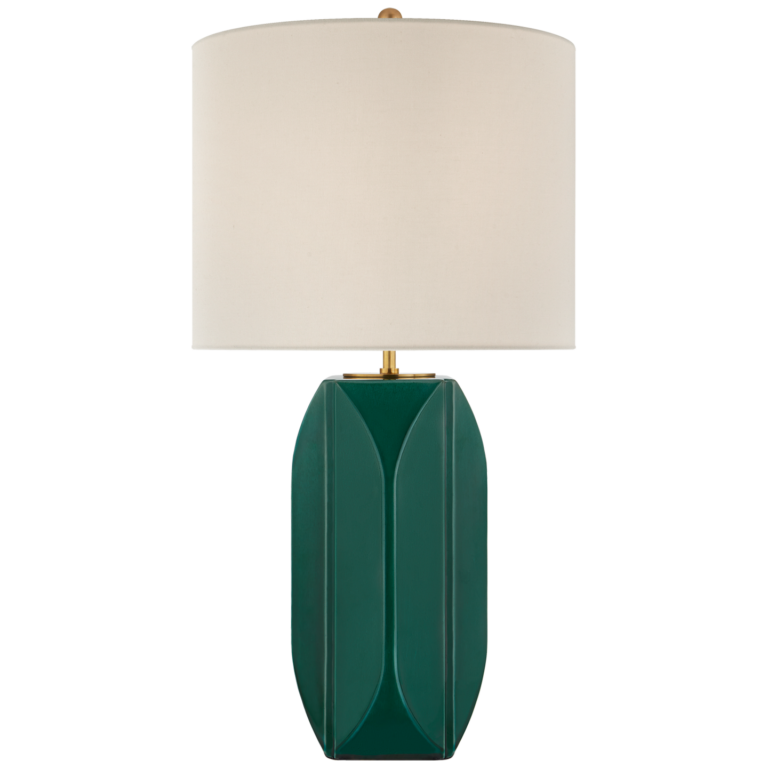
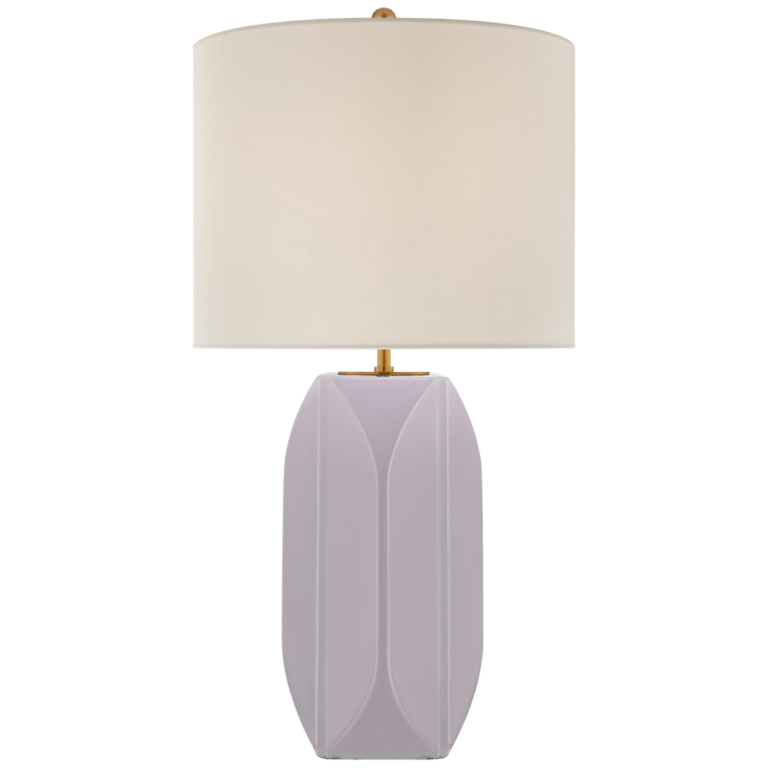
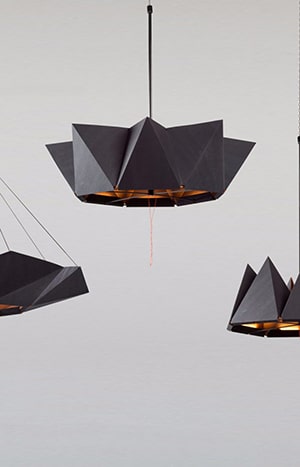
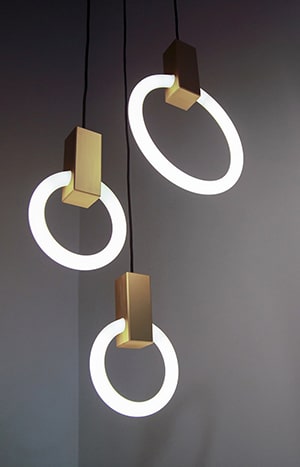
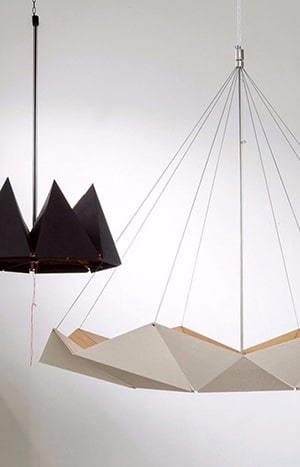
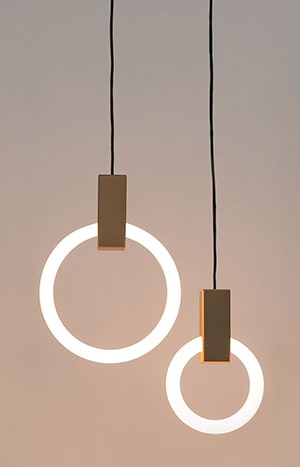
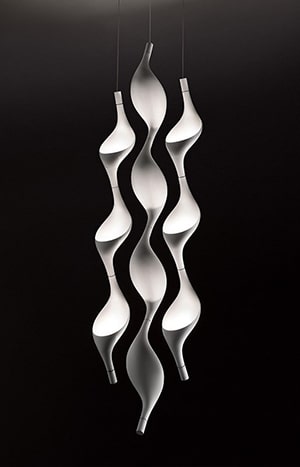
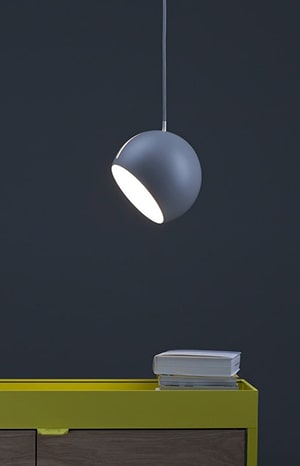
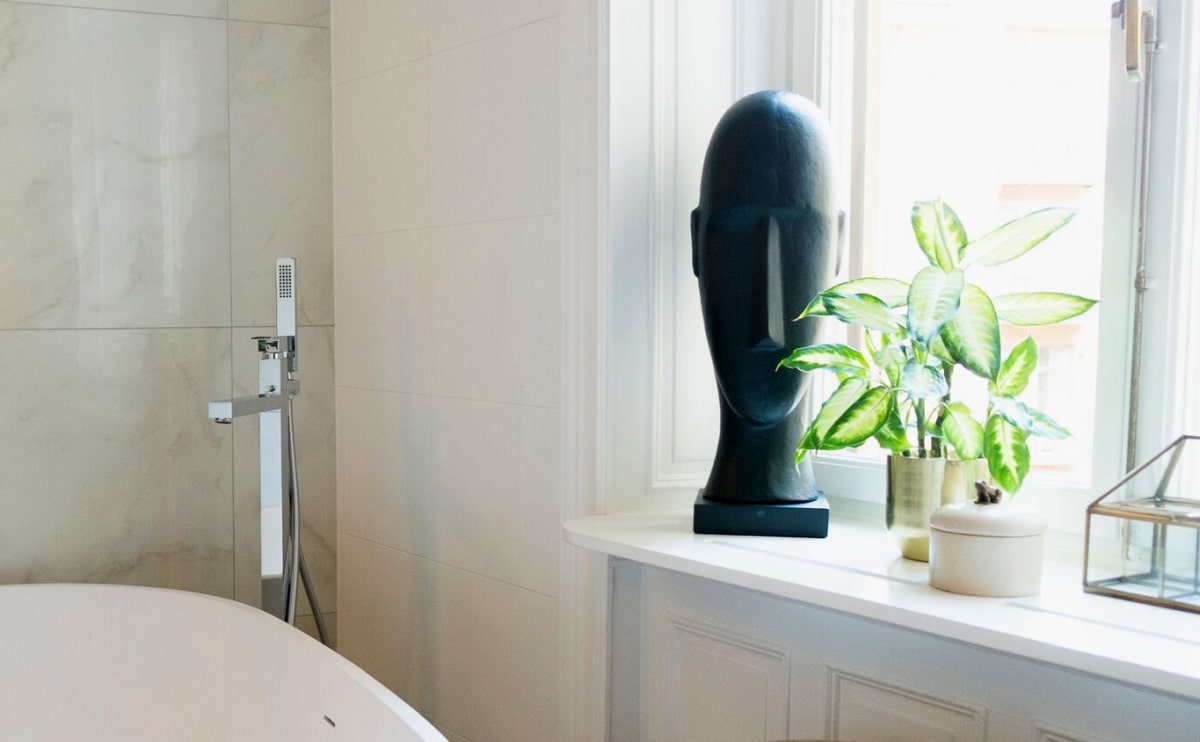
A distinctive lamp can work like a decorative object. Sculptural shapes, unusual finishes, and carefully chosen materials can turn lighting into one of the strongest visual elements in the room. Place statement pieces where they have enough space to be appreciated, such as on a console, sideboard, or prominent side table.

The way you use a room changes throughout the day, and your lighting can change with it. Bright general lighting may be useful in the morning, while smaller lamps create a softer atmosphere later in the evening. Using multiple light sources gives you the freedom to adjust the room without changing anything else. The most successful lighting schemes feel effortless because every lamp has a reason to be there. Choose pieces that support the function of the room, complement the surrounding materials, and contribute to the atmosphere you want to create. When lighting is chosen carefully, it does more than illuminate. It helps turn a room into a space that feels comfortable, personal, and beautifully finished.

Leave a Reply

Your email address will not be published. Required fields are marked *